PILOTING OBSERVATION VISITS LAUNCHED IN MOLDOVA
Within the framework of the Erasmus+ CBHE project T4GREEN – Transforming Teacher Education for Green and Digital Transition in Armenia and Moldova, the piloting observation phase of the revised study programmes has officially started in Moldovan partner universities.
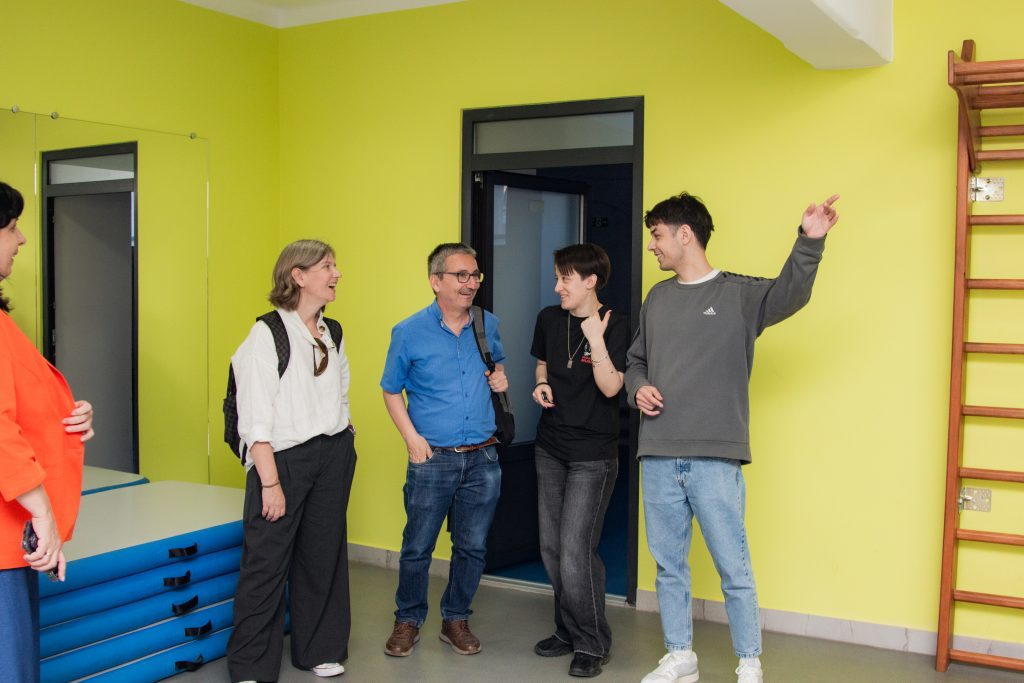
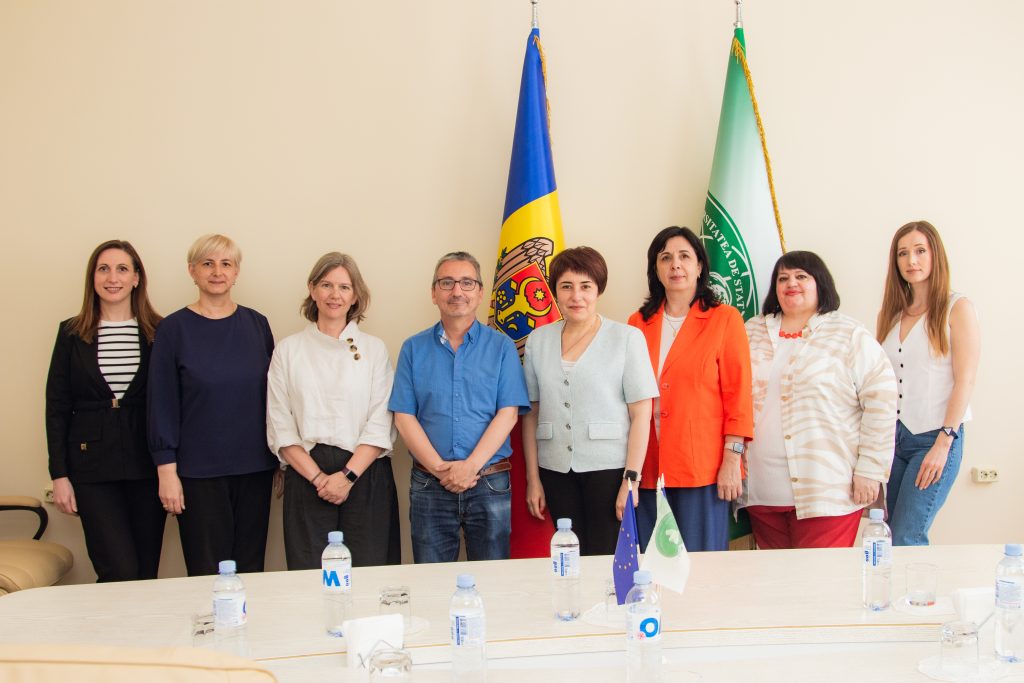
As part of the piloting and quality monitoring process, representatives of the University of Valladolid (UVa), Spain — Prof. Natalia Barranco and Prof. José María Marbán Prieto — conducted on-site monitoring and evaluation visits to two Moldovan partner universities: Alecu Russo Bălți State University (USARB) and “Ion Creangă” State Pedagogical University of Chișinău (UPSC).
The visits aimed to evaluate the implementation and piloting of revised study programmes developed within the T4GREEN project through the integration of green education, sustainability principles, and digital competences into teacher education curricula.
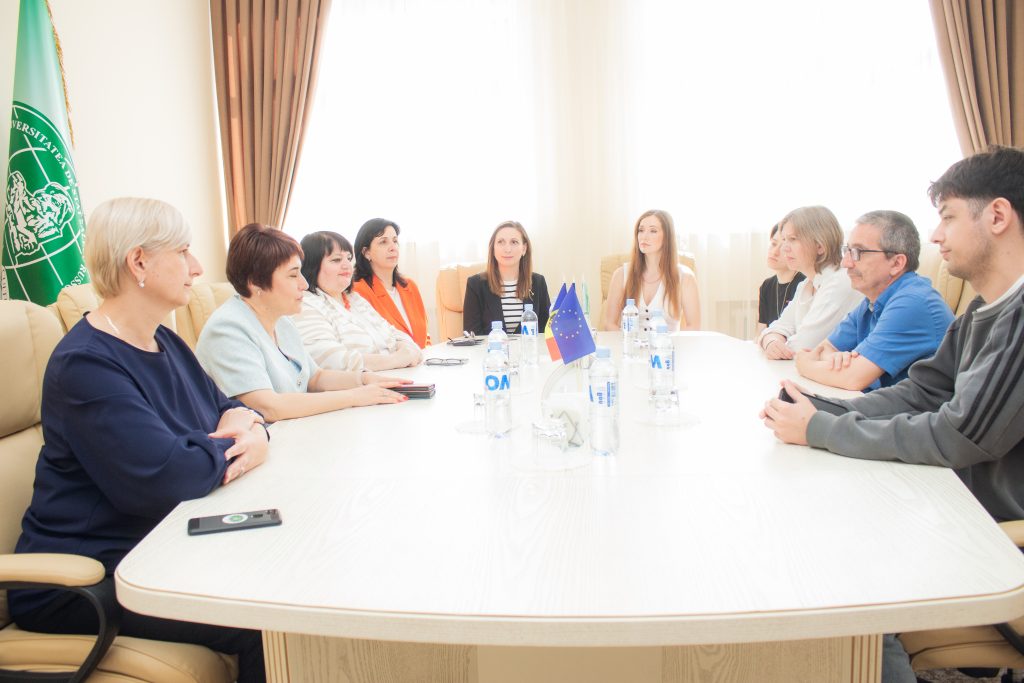
During the observation visits, European experts participated in working meetings with institutional T4GREEN teams, academic staff, and students involved in the piloting process. The discussions focused on curriculum revision, innovative teaching approaches, sustainability-oriented learning outcomes, and the integration of green and digital dimensions into higher education.
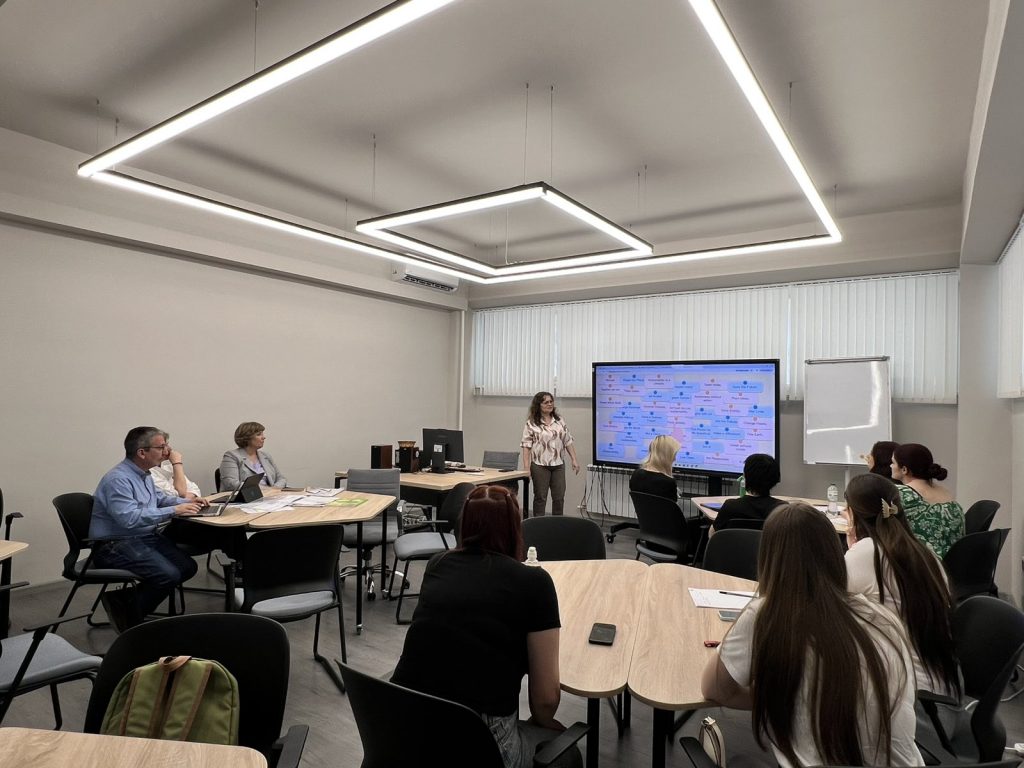
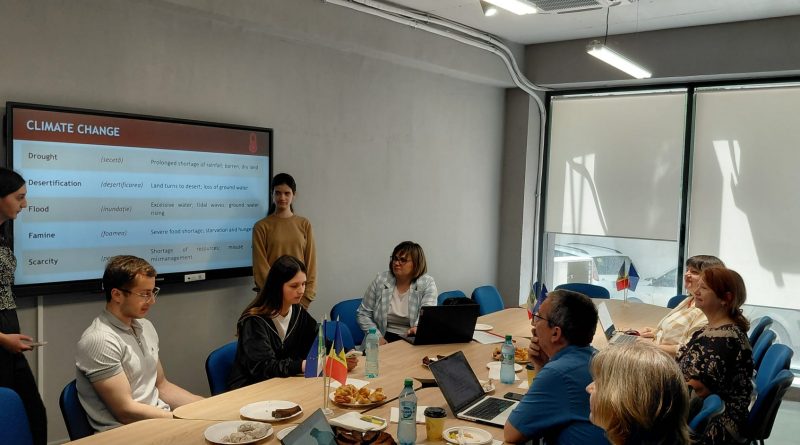
At both universities, the experts observed public classes and student project presentations developed within the revised programmes in the fields of Foreign Languages, Inclusive Education, and STEAM Education.
At Alecu Russo Bălți State University, several educational activities and interdisciplinary projects demonstrated how sustainability concepts are being integrated into teaching and learning practices.
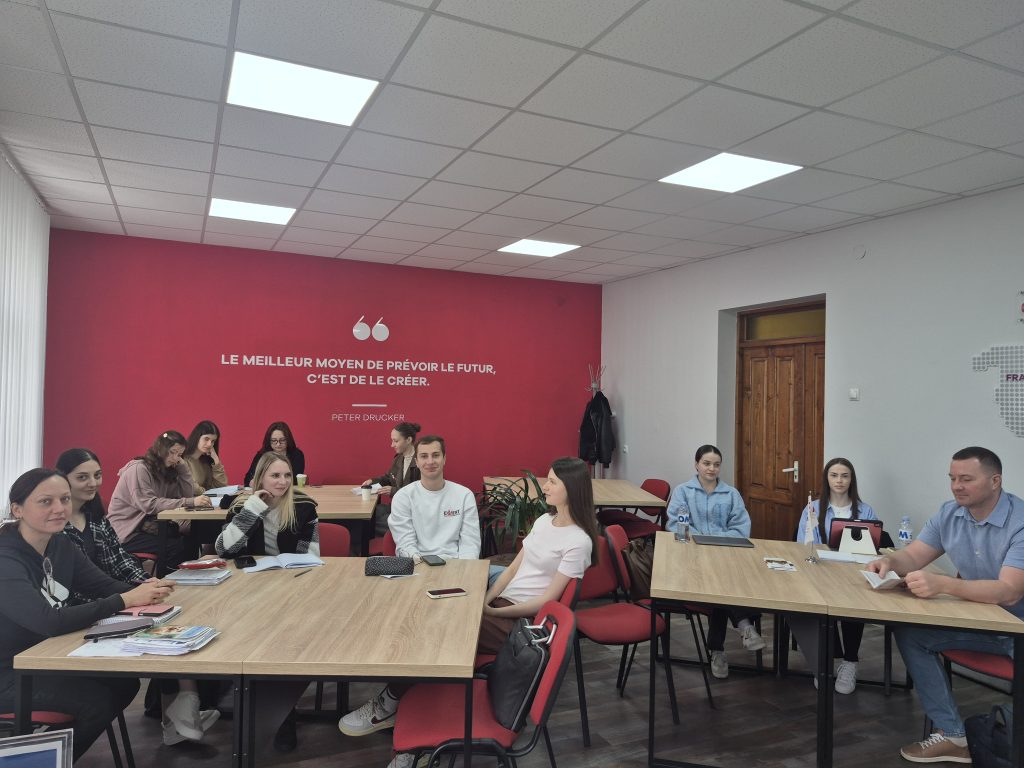
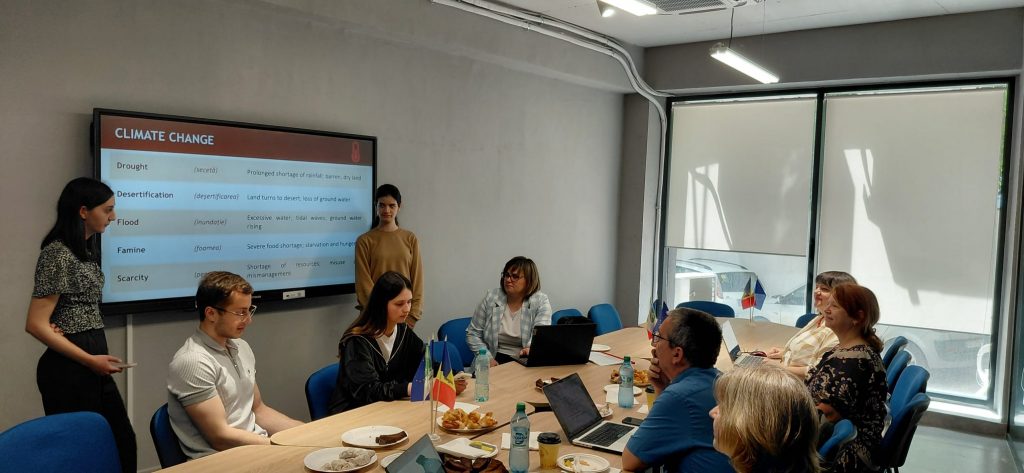
Within the course English IV, students explored environmental challenges and sustainable development through activities such as Environmental Portfolio and Our Planet in Peril, under the guidance of Ms. Oxana Stanțieru. Students discussed topics including climate change, endangered species, pollution, biodiversity, renewable energy, and environmental protection measures while simultaneously developing English language communication skills, critical thinking, and civic responsibility. Interactive methodologies, debates, collaborative tasks, and project-based learning approaches were actively used during the lessons.
In the field of STEAM education, first-year Master’s students of group MI11Z presented interdisciplinary applied projects within the course unit Mathematical Analysis II, coordinated by Assoc. Prof. Dr. Natalia Gașițoi. The revised curriculum integrated sustainability-oriented applications of mathematical analysis, encouraging students to apply integrals, series, and mathematical modelling to real-life environmental and sustainability-related contexts. Students presented projects on topics such as modeling forest area changes, analysing pollution dynamics in aquatic ecosystems, energy consumption calculations, and applications of integral calculus in ecology, geography, and civil engineering. Digital tools including GeoGebra, Desmos, and Excel were actively incorporated into the learning process.
Within the field of Inclusive Education, first-year Master’s students of the programme Management of Inclusive Education presented projects developed in the course Development of the Inclusive School, coordinated by Assoc. Prof. Dr. Tatiana Panco. The revised curriculum integrates sustainability principles, digital pedagogy, environmental education, and inclusive educational strategies. Students explored topics such as ecological extracurricular activities, community partnerships for sustainable development, and the use of digital tools for inclusive learning environments.
At “Ion Creangă” State Pedagogical University of Chișinău, the observation visit focused on the piloting of the revised Master’s programme English Language and Multicultural Education. During public lessons and professional reflection sessions, academic staff demonstrated innovative approaches for integrating sustainability, environmental responsibility, and interdisciplinary teaching strategies into the preparation of future English language teachers.
The European experts highly appreciated the commitment of the university teams, the quality of the piloted activities, and the effective integration of green and digital dimensions into the revised curricula. The visits also provided an important opportunity for professional dialogue, exchange of good practices, and reflection on future directions for strengthening education for sustainable development within higher education institutions in Armenia and Moldova.
The T4GREEN project continues to support the modernization of teacher education through the transformation of three major fields — Foreign Languages, Inclusive Education, and STEAM Education. The expected outcomes include revised Bachelor’s and Master’s degree programmes and short-term credit-based programmes aligned with contemporary educational standards and the principles of green and digital transition.